How We Choose iPhone Covers at LuminaKartt: A Practical Guide to Fit, Materials, Protection and Style
Choosing an iPhone cover looks simple until you actually start comparing options. One looks great in photos but feels bulky in hand. Another fits perfectly but does nothing for your camera. A third is exactly your style, but you're not sure it will hold up to daily use. Appearance matters, but it shouldn't be the only thing you're deciding on.
At LuminaKartt, we look beyond whether a cover simply looks good. We consider how it fits, how it feels during actual use, what it's made from, how practical it is day-to-day, and whether the design genuinely suits the person buying it. This guide walks through how we think about iPhone covers, so that by the end, you'll know exactly what to check before choosing one for yourself.
What Makes a Good iPhone Cover?
A good iPhone cover comes down to a few things working together: the right fit for your exact model, a material that suits how you use your phone, reasonable everyday protection, a grip that feels natural, sensible weight and thickness, and a design you actually want to look at every day.
None of these matter in isolation. A cover with excellent grip but the wrong camera cut-out is still a poor fit. A beautifully designed cover that feels awkward in your hand won't get used for long. There's no single "best" iPhone cover that works for everyone. The right one depends on how you use your phone, what you carry it in, and what kind of look you're going for.
How LuminaKartt Evaluates iPhone Cover Fit
Fit is one of the first things we check, because everything else about a cover depends on it.
Exact iPhone Model Compatibility
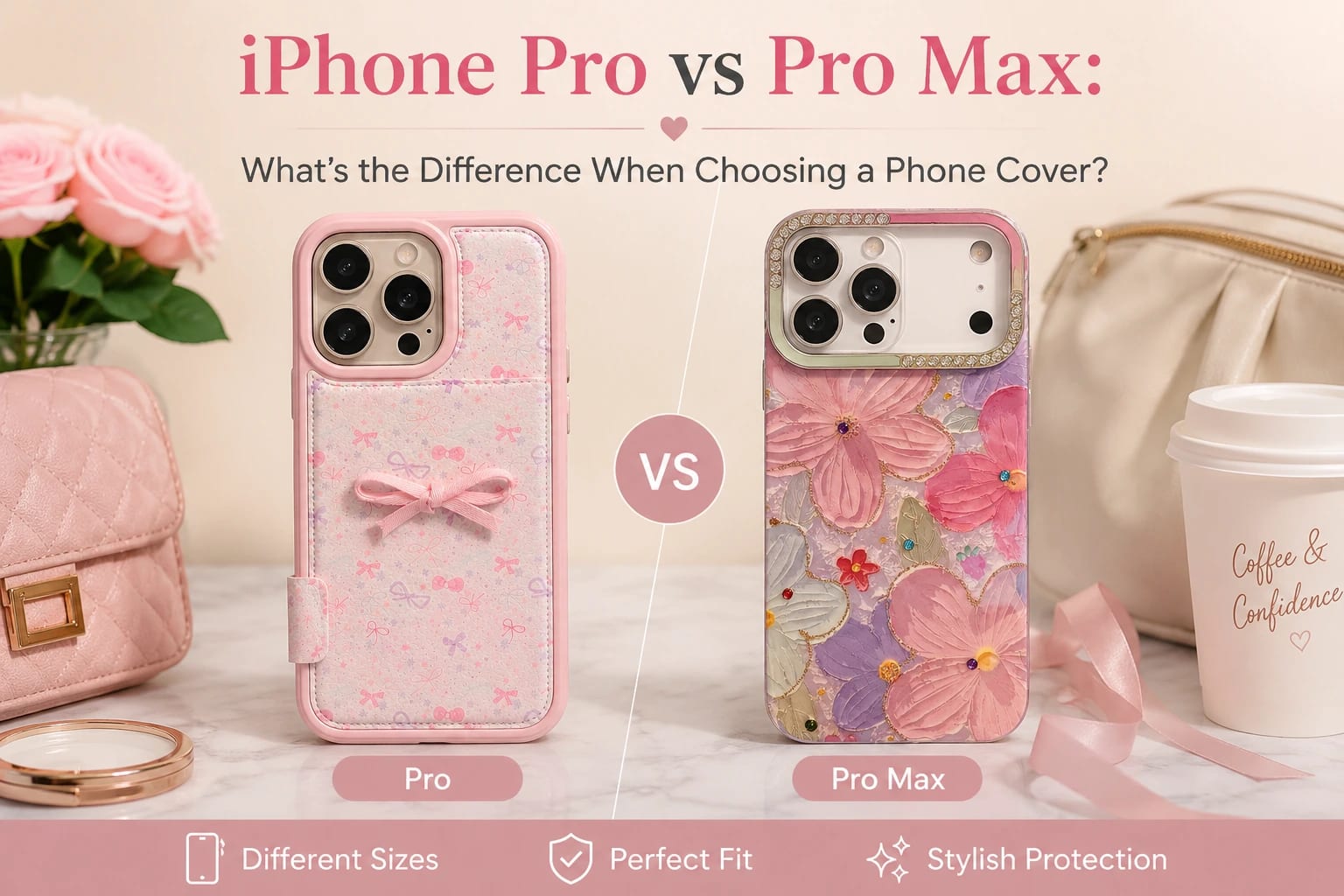
iPhone models aren't interchangeable when it comes to covers, even within the same generation. Dimensions shift slightly, camera modules are positioned differently, and button placement changes model to model. A cover made for the iPhone 15 Pro won't sit right on an iPhone 15 Pro Max, and a case for the iPhone 16 Pro isn't built for the iPhone 17 Pro's layout. That's why we design and list covers by exact model, whether that's the iPhone 15 Pro, 15 Pro Max, 16 Pro, 16 Pro Max, 17 Pro or 17 Pro Max, rather than treating "iPhone case" as one universal category. When you're buying, always double check your specific model and storage variant matches what the listing is made for.
Camera and Button Alignment
Once the base fit is right, the details need to line up too. Camera cut-outs should sit precisely around the lenses without crowding them, buttons should be easy to press without needing extra force, and the speaker and charging port openings should be clear. Misalignment here isn't just annoying; it can make a phone genuinely harder to use.
Easy Installation and Removal
A cover that fits well should also go on and come off without a fight. If you're wrestling with a case every time you need to remove it to charge wirelessly or clean your phone, the fit is off, no matter how nice the design looks.
Materials Matter: What We Look For
Material affects far more than how a cover feels in your hand. It shapes weight, flexibility, how it wears over time, and even how a design is finished.
Flexible TPU
TPU is a flexible plastic commonly used in phone covers. It bends slightly, which makes it easier to stretch over a phone during installation and easier to peel off later. It also tends to feel softer in hand and absorbs some of the shock from everyday knocks. TPU isn't automatically the strongest material out there, but its flexibility is genuinely useful for everyday handling, which is why it shows up often in comfortable, practical covers.
Hard Shell Materials
Rigid or hard shell covers behave differently. They don't flex the way TPU does, which usually means a slimmer, more structured feel and a cleaner look for printed or minimal designs. Some people prefer this firmer feel because it makes the phone feel more solid in hand. Others find flexible materials more comfortable for daily carrying. Neither is universally better; they simply suit different preferences.
Decorative Finishes
Glitter, pearls, charms, beaded straps, textures and printed patterns all fall under decorative finishes, and they need their own consideration. A finish that looks great in a photo but adds unnecessary bulk, catches on pockets, or makes the cover harder to grip isn't doing its job. We think about how a decorative element will actually behave once it's in someone's bag or hand for hours a day, not just how it photographs.
How We Think About Everyday iPhone Protection
It's worth being upfront here: no phone cover eliminates risk entirely. What a well-designed cover can realistically do is reduce everyday wear, such as scratches from a bag, minor surface bumps, and general daily contact.
Raised Camera Protection
A raised edge around the camera bezel means the camera module sits slightly above the surface the phone is placed on. When you set your phone face-up on a table or counter, this raised edge helps keep the lenses from making direct contact with the surface, which lowers the chance of surface scratches on the camera glass.
Edge and Screen Coverage
Raised edges along the sides, where a design includes them, offer some buffer for the screen and back panel when the phone is set down or slides in a bag. How much coverage a case offers varies quite a bit by design, so it's worth actually looking at the shape of a cover rather than assuming all covers protect edges equally.
Slim Protection vs More Protective Cases
This is genuinely a trade-off, not a case of one option being objectively right. A slim cover prioritises a lightweight feel, minimal added bulk, and easy one-handed handling. A more protective cover adds structure and coverage, which usually means more thickness and weight. Neither choice is wrong. It comes down to how careful you tend to be with your phone and how much bulk you're willing to carry for extra coverage.
Comfort and Grip Are Part of Good iPhone Cover Design
A cover you don't enjoy holding is a cover you'll eventually stop using, no matter how it looks. Weight, thickness, texture and grip all affect whether a phone feels comfortable through a full day of use, not just the first few minutes after unboxing.
If you're a student carrying your phone between classes, a lightweight cover with decent grip probably matters more than one that adds visible bulk. If you're commuting daily and constantly pulling your phone out of a bag or pocket, grip and one-handed usability become more important than they might seem in a store. Frequent travellers often prefer something slightly sturdier that can handle being tossed into different bags. Fashion-conscious users might prioritise how a texture or finish looks and feels, as long as it doesn't compromise grip. There's no wrong priority here, just different ones.
How We Evaluate iPhone Cover Style
Style is where personal taste takes over, and we try to offer enough range that different tastes are genuinely covered rather than treated as an afterthought.
Cute and Feminine Designs
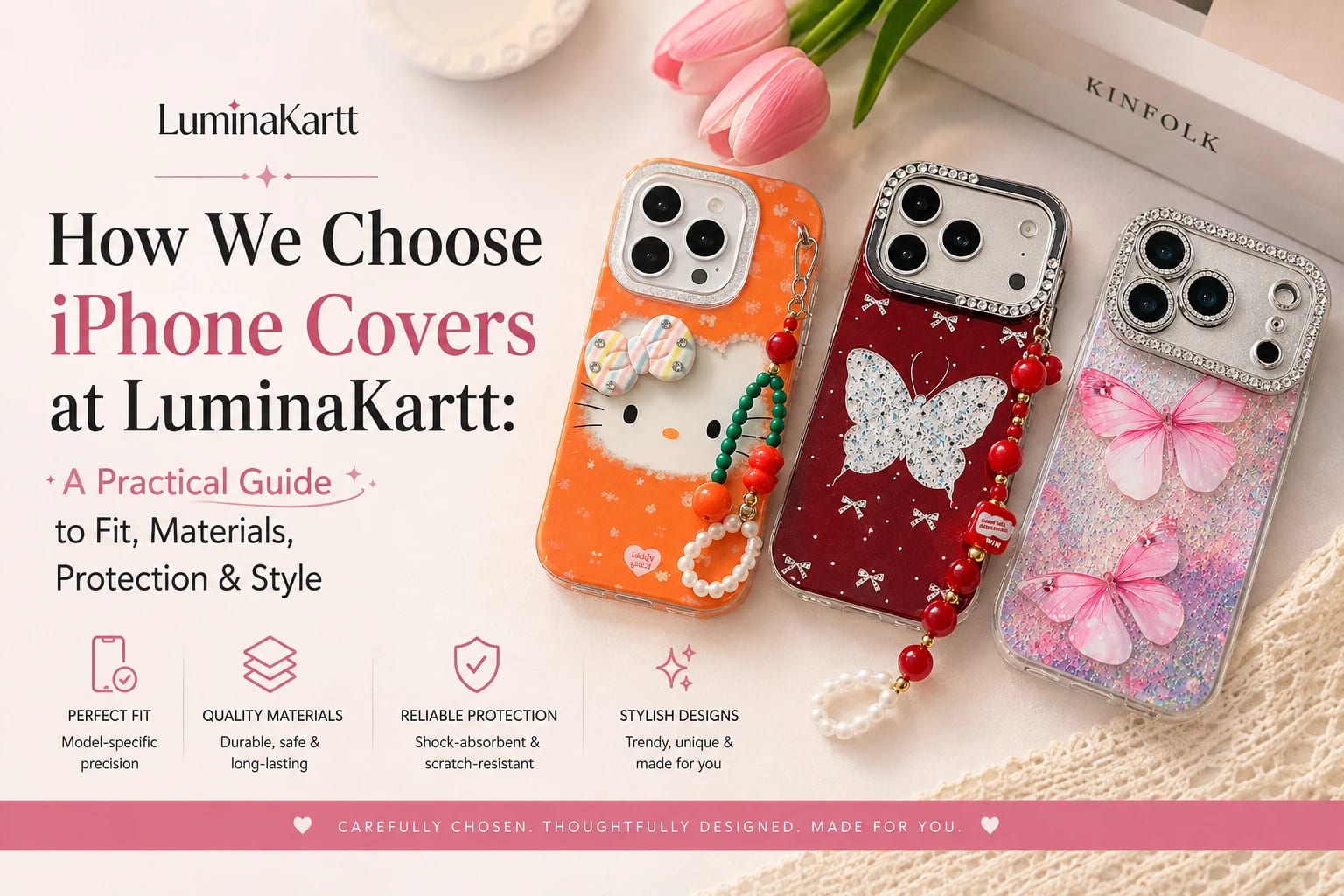
Bears, hearts, butterflies, pearls, pastel colours and charms fall into this category. These designs tend to appeal to people who want their phone to reflect a softer, more playful personality, and they're a big part of what people look for in stylish iPhone covers in India, especially among students and younger shoppers.
Glitter and Glamorous Designs
Glitter, sparkle and diamond-inspired details suit anyone who wants their phone to make more of a statement. These designs tend to work well for social occasions, festive seasons, or simply for someone who prefers a bolder everyday look.
Colourful and Playful Designs
Tie-dye, polka dots, bright colour blocking and fun patterns sit in a different lane. They suit people who want personality without leaning fully into glitter or pastel aesthetics, and they tend to work well as everyday, go-anywhere designs.
Elegant and Minimal Designs
Clean lines, subtle colours and refined detailing appeal to people who want something versatile enough for both office and casual settings. These designs tend to age well too, since they're less tied to a specific trend.
Ultimately, style comes down to personality. A student heading to college, a professional heading into a meeting, and someone dressing up for a festival are all likely to want something different, and that's exactly why a single design can't work for everyone.
Functionality We Consider Before Selecting a Cover
Beyond looks, a cover needs to work with the phone, not against it. We check that buttons remain easy to press, ports stay accessible, camera cut-outs are clean, and the cover doesn't make basic handling harder than it needs to be.
Wireless charging is worth a specific mention here, since it's a common question. Not every cover design is confirmed to support wireless charging, and material thickness can affect it. Rather than making a blanket claim that every cover works with wireless charging, we'd rather you check the specific product listing for that detail before buying, particularly if wireless charging is something you use daily.
How We Balance Style and Protection
Style and protection aren't the same thing, and it helps to be clear about what you're actually prioritising before you buy.
If You Prioritise Style
Glitter, butterfly, pearl, heart and other decorative patterns are built primarily around look and personality. They can still offer everyday coverage, but the main draw is how they look and feel to carry.
If You Prioritise Everyday Protection
Look for raised camera protection, edge coverage that matches how you use your phone, sturdier construction, and a grip that feels secure rather than just decorative.
If You Want Both
This usually means looking for a slim but structured build, a raised camera edge, a comfortable grip, and a material that holds up to daily handling, combined with a design you actually like. It's a more specific combination, but it's realistic to find, as long as you're checking for it deliberately rather than assuming every stylish cover automatically protects the same way.
How We Look at Decorative Details
Pearls, charms, beaded straps, glitter and printed patterns are a big part of what makes a cover feel personal, but we think about them beyond appearance alone. Where is a charm actually attached, and does it get in the way of grip? Does a beaded strap add practical value or just visual interest? Does a textured finish stay comfortable after weeks of daily handling?
These are the kinds of questions that separate a cover designed to be used every day from one designed to look good in a single product photo. If a decorative detail changes how a cover fits in a pocket or bag, that's worth knowing before you buy, not after.
How to Choose the Right iPhone Cover for Your Lifestyle
For College Students
Lightweight, comfortable and easy to carry between classes, ideally in a design that reflects your personal style without adding bulk to a bag that's already full.
For Working Professionals
Something elegant and comfortable enough for daily use, versatile enough to look appropriate across both office and casual settings.
For Fashion and Beauty Lovers
Glitter, butterfly designs, pearls, charms and statement patterns that let your phone double as a personal style choice.
For Minimalists
Clean design, simple colours, subtle patterns and a slim feel that doesn't compete with the phone's own design.
For People Who Want More Everyday Protection
A raised camera area, edge coverage suited to how often you set your phone down or drop it in a bag, and sturdier overall construction.
What We Don't Recommend When Choosing an iPhone Cover
A few habits tend to lead to disappointment, and it's worth naming them directly. Buying the wrong model variant because two listings look similar. Choosing purely on how a cover looks in a photo without considering grip or weight. Ignoring camera alignment and assuming all cut-outs are the same. Picking something bulkier than you actually need for how you use your phone. Overlooking grip entirely, especially if you tend to use your phone one-handed. Assuming every case offers the same level of protection just because it looks sturdy. Assuming wireless charging will work without checking the listing. Ignoring how a decorative detail might affect handling over time. And buying based on exaggerated claims rather than what's actually confirmed about the product.
None of these mistakes is hard to avoid once you know to look out for them, which is really the point of this guide.
Our Practical iPhone Cover Selection Checklist
Before buying an iPhone cover, check:
-
Correct iPhone model and variant
-
Camera cut-out alignment
-
Button access
-
Port access
-
Material (flexible or hard shell)
-
Grip and texture
-
Weight
-
Thickness
-
Level of protection you actually need
-
Design and colour
-
Decorative details and how they're placed
-
Charging compatibility, confirmed on the listing
-
Overall fit with your daily routine
Explore iPhone Covers Selected for Style and Everyday Use at LuminaKartt
We offer iPhone covers across several models, including iPhone 15 Pro covers, iPhone 15 Pro Max covers, iPhone 16 Pro covers, iPhone 16 Pro Max covers, iPhone 17 Pro covers and iPhone 17 Pro Max covers, with designs ranging from cute and feminine to elegant and minimal. Whatever you're drawn to, from glitter and butterfly patterns to clean, understated finishes, the same fit, material and comfort checks in this guide apply. Compare available designs for your exact model and pick one that actually matches how you use your phone day to day.
Final Thoughts
Choosing an iPhone cover should involve more than asking whether it looks good. It's also worth asking whether it fits your exact iPhone, whether the material suits your daily habits, whether it offers the protection you actually need, whether it feels comfortable to hold, and whether it genuinely fits your lifestyle, not just your Instagram feed.
When all of that lines up with a design you like, you've found a cover worth keeping for the long run. Browse LuminaKartt's iPhone covers and find one that suits both your phone and the way you actually use it.
FAQs
1. How should I choose an iPhone cover?
Start with your exact iPhone model, since fit depends on it. From there, consider the material, how much everyday protection you need, grip and comfort, and finally, the design. Getting the fit and function right first makes it much easier to enjoy the style you pick.
2. What material is best for an iPhone cover?
There's no single best material; it depends on preference. Flexible TPU feels softer, is easier to install and remove, and absorbs some daily shock. Hard shell materials offer a slimmer, more structured feel. Both are common in well-made covers, so the right choice comes down to how you like your phone to feel in hand.
3. How do I know if an iPhone cover will fit my iPhone?
Check that the listing specifies your exact model, including whether it's the Pro or Pro Max variant. Even within the same generation, dimensions and camera placement differ, so a cover made for one model won't align properly on another, even if they look similar.
4. Does an iPhone cover protect the camera?
Many covers include a raised edge around the camera area, which helps keep the lenses from directly touching flat surfaces when the phone is placed face-up. This reduces the chance of surface scratches, though no cover can guarantee complete protection in every situation.
5. Should I choose a slim or protective iPhone case?
It depends on how you use your phone. A slim case is lighter and easier to handle but offers less coverage. A more protective case adds structure and edge coverage but comes with extra thickness and weight. Choose based on how careful you are with your phone day to day.
6. What should I check before buying an iPhone cover online?
Confirm your exact iPhone model, check the material and design details in the listing, look at how the camera cut-out and buttons align, and verify claims like wireless charging compatibility rather than assuming they apply to every cover.
7. Are fashionable iPhone covers suitable for everyday use?
Yes, as long as the design doesn't compromise grip or add impractical bulk. A well-made stylish cover, whether glitter, pastel or minimal, can be just as functional for daily use as a plainer option, provided the fit and material are solid.
8. How does LuminaKartt choose its iPhone covers?
We evaluate fit for the exact iPhone model, material comfort and durability for daily use, realistic everyday protection including camera coverage, grip and weight, and how practical a design is beyond just its appearance, before deciding whether a cover fits our collection.
Explore Premium Phone Covers
Aesthetic designs, MagSafe compatible, shockproof protection crafted for you.